A deeply moving ceremony celebrating the spiritual significance of an internationally recognised pilgrimage route
The event opened with a graceful dance performance by Elsa Pereira, who sensitively conveyed the spirit of the pilgrim and the profound connection between the human body and nature.
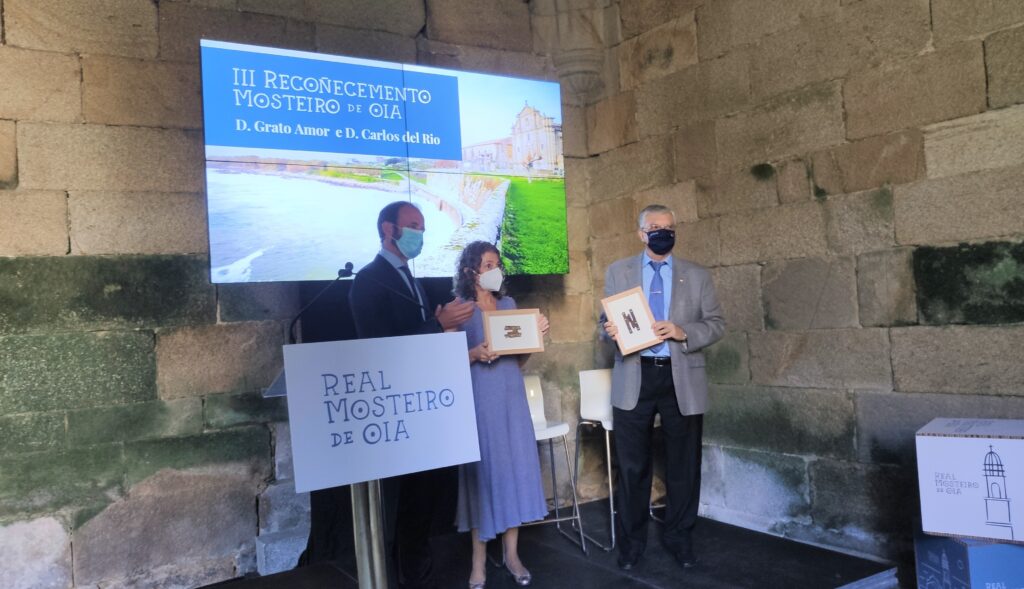
The Third Oia Monastery Recognition Award honoured Mr Grato Amor and Mr Carlos del Río (posthumously) for their unwavering commitment to researching, promoting and securing the official recognition of what is now known as the Portuguese Coastal Way to Santiago de Compostela. Through the work of the Association of Friends of the Pazos, the route was officially recognised thanks to the dedication, perseverance and rigorous research undertaken by the two honourees over more than four decades.
The Portuguese Coastal Way enters Galicia through the fishing town of A Guarda, crossing the mouth of the River Miño from the Portuguese coast before continuing to Oia Monastery, following one of the most dramatic and unspoilt stretches of Atlantic coastline in north-west Spain. From there, the 162-kilometre route leads pilgrims north through spectacular landscapes, passing Baiona, Vigo and Redondela before reaching their final destination in Santiago de Compostela. Today, the route enjoys growing international recognition and attracts an increasing number of pilgrims each year, thanks to the years of research, administrative work and official recognition led by its pioneers.
Mr Grato Amor received the award in person and addressed those in attendance with a few heartfelt words. The recognition awarded to Mr Carlos del Río, who passed away in 2003, was accepted with great pride by members of his family.
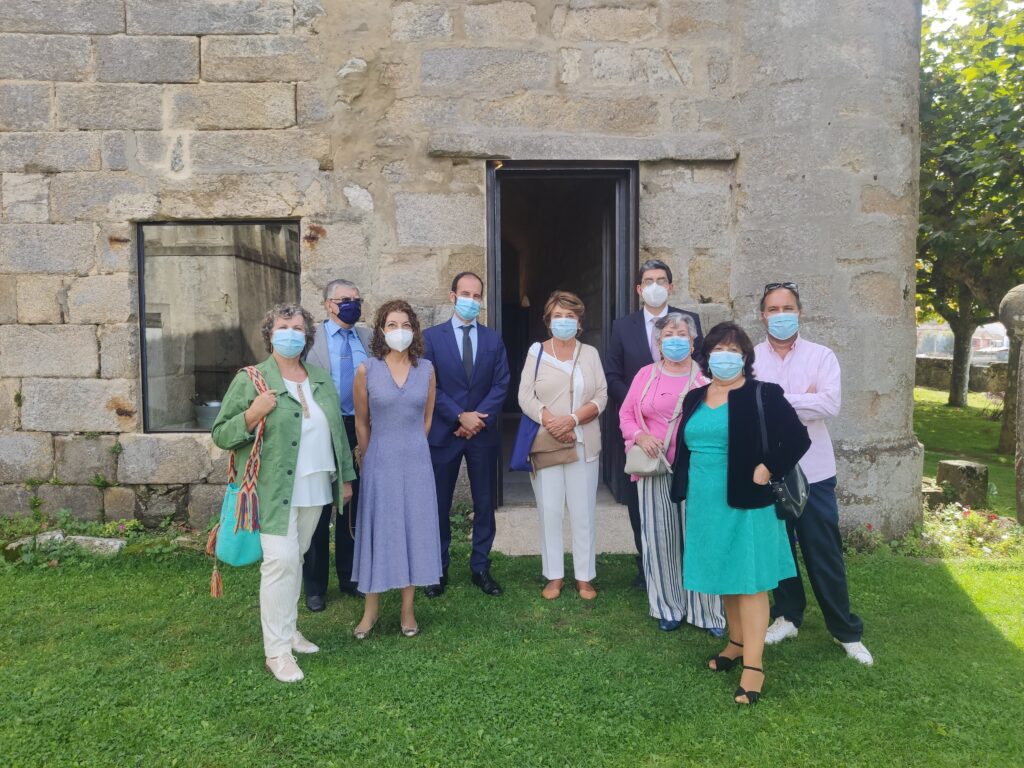
Among those attending the ceremony were Nava Castro, Director of Tourism of Galicia; Cristina Correa, Mayor of Oia; Antonio Lomba, Mayor of A Guarda; Xoán Martínez, Director of Oia Monastery and host of the event; representatives of the Association of Friends of the Pazos, the organisation behind numerous initiatives related to the Routes of Santiago, together with other distinguished figures from Galicia’s cultural community.